In the world of academic publishing, crafting a well-written, insightful research paper is essential for both career growth and contribution to the global body of knowledge. However, even the most well-intentioned researchers can fall prey to common mistakes that lead to rejection or low-impact publications. At Powerline Research Publication, we have worked with thousands of scholars, helping them navigate the complex journey of academic publishing. In this guide, we outline the top mistakes to avoid in research papers — and how to overcome them for successful publication, especially in top-tier journals like Scopus, Web of Science, and UGC CARE.
1. Lack of a Clear Research Problem
Many research papers fail right from the start due to a vague or poorly defined research problem. A clear research question sets the direction and relevance of your work.
✅ Tip from Powerline Research Publication: Begin with a literature review to identify gaps in existing research. Define your research question in a specific, measurable, and relevant way.
2. Poorly Structured Manuscript
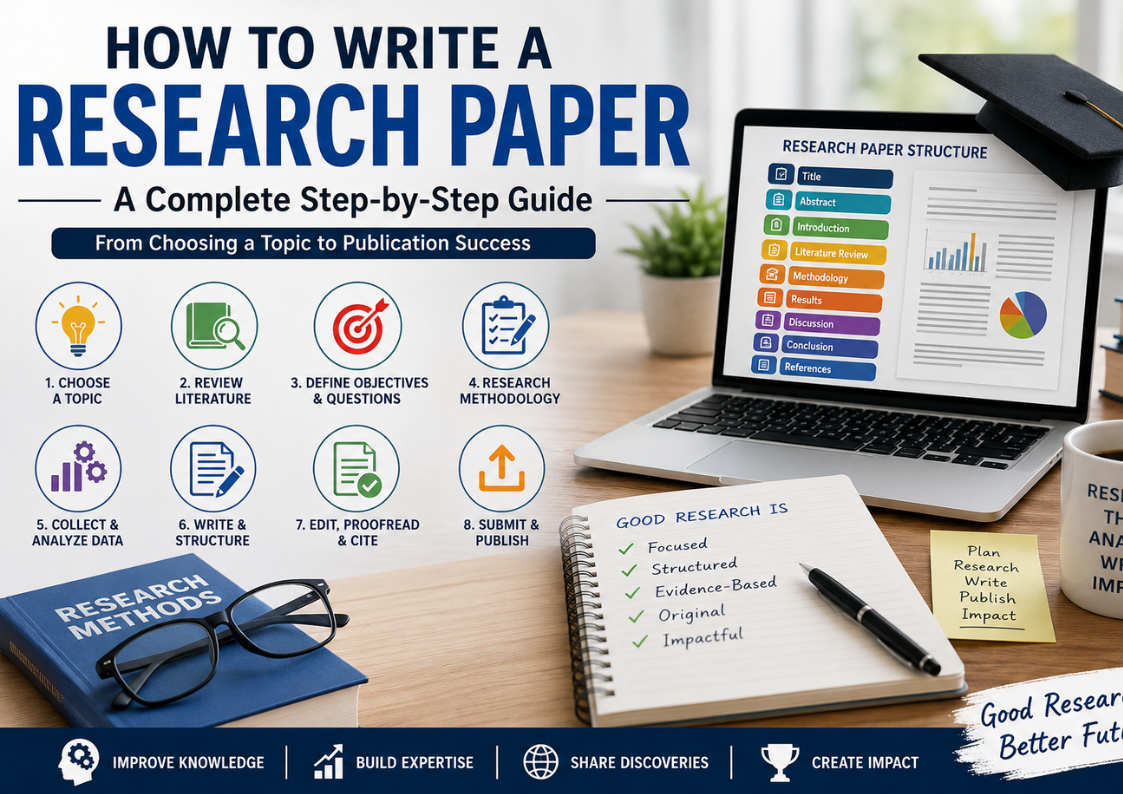
Academic papers follow a universally accepted structure: Introduction, Literature Review, Methodology, Results, Discussion, and Conclusion. Deviating from this structure often confuses reviewers and readers.
✅ Tip: Follow the IMRAD format (Introduction, Methods, Results, and Discussion) strictly unless your target journal specifies otherwise.
3. Inadequate Literature Review
A superficial or outdated literature review shows a lack of depth in your academic understanding. This often leads to rejection by peer reviewers.
✅ Powerline Advice: Use recent, peer-reviewed articles from Scopus and Web of Science databases. Focus on identifying trends, gaps, and conflicts in existing literature.
4. Plagiarism and Lack of Originality
Plagiarism, whether intentional or accidental, is a serious academic offense. Journals use plagiarism check tools like Turnitin and iThenticate.
🚫 Common mistake: Copying text from your own previous work without citation (self-plagiarism).
✅ Powerline Research Publication offers plagiarism check and rewriting services to ensure your content is 100% original and ethically sound.
5. Weak Research Methodology
Flawed methods or poorly explained procedures can make your research unreliable and hard to reproduce.
✅ Expert Tip: Justify your choice of research design (qualitative, quantitative, or mixed methods). Be transparent about your sample size, data collection tools, and statistical techniques.


No comments yet. Be the first!